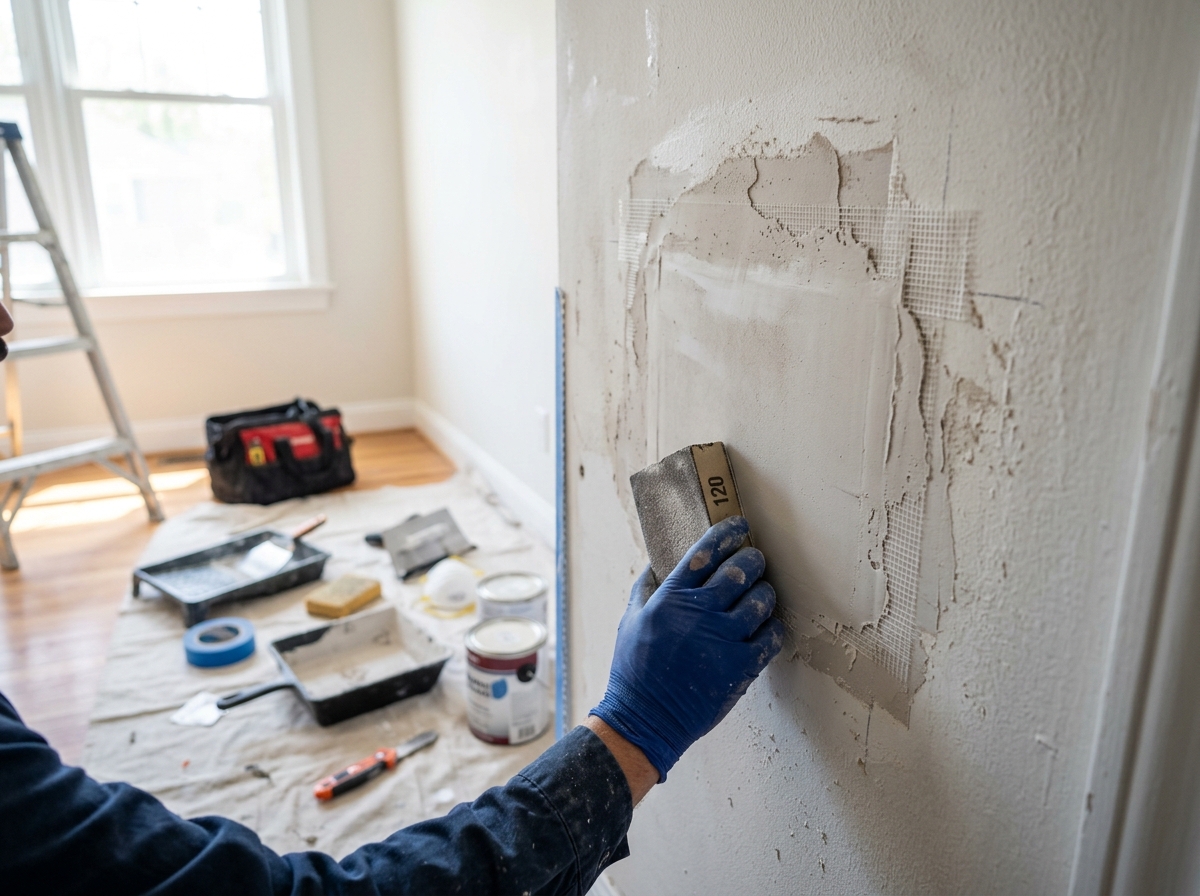
Complete Guide to Drywall repair and prep in Clayton, NJ
Drywall damage is one of the most common issues homeowners face, whether from settling homes, water damage, accidental impacts, or simple wear and tear. While it might seem tempting to simply paint over damaged drywall, proper repair and preparation is essential for a professional, long-lasting finish. At JM Painting Services LLC in Clayton, we understand that quality drywall work is the foundation of any great paint job. This guide covers what you need to know about Drywall repair and prep, common issues, and why investing in proper preparation protects your investment.
Understanding Drywall Damage and When Repairs Are Needed
Drywall damage comes in many forms, and not all of it requires professional repair. Small nail holes and minor dings can often be addressed with simple spackling compound, but larger damage requires proper patching techniques. Common types of drywall damage include holes from impacts, water damage, cracks from foundation settling, and damage around outlets or fixtures.
Water damage is particularly concerning because it compromises the structural integrity of the drywall and can indicate a larger moisture problem in your home. If you notice soft spots, discoloration, or bubbling paint, the drywall likely needs replacement rather than simple patching. Similarly, large cracks, especially those that run diagonally across walls or appear suddenly, may signal foundation issues that need professional assessment.
The key question homeowners should ask is: will this damage be visible after painting? If the answer is yes, it needs proper repair. Painting over unrepaired drywall damage only highlights the problem and creates an unprofessional appearance that diminishes your home's value.
The Drywall Repair Process Explained
Proper drywall repair involves several steps that can't be rushed if you want lasting results. For small holes (less than one inch), spackling compound applied in thin layers works well. The compound shrinks as it dries, so multiple applications may be necessary.
For larger holes, the process is more involved. A patch must be cut to size, installed into the wall opening, and then sealed with joint compound. This compound, also called mud, is applied in multiple coats. Each coat must be sanded smooth before the next application, creating an even surface that blends seamlessly with the surrounding wall.
The most important aspect of drywall repair is feathering the joint compound. This technique involves extending the compound gradually outward from the patch, creating a smooth transition that's invisible once painted. Poor feathering leaves visible ridges or shadows that catch light and remain visible even after painting.
For extensive damage or water-damaged sections, drywall replacement is the better choice. Attempting to repair severely compromised drywall wastes time and money and often results in future problems. Professional painters like those at JM Painting Services can assess whether repair or replacement makes sense for your specific situation.
Surface Preparation: The Foundation of Quality Painting
Even perfectly repaired drywall needs proper preparation before painting. This step is where many DIY projects fall short. Proper prep involves cleaning the surface, filling nail holes and imperfections, sanding rough spots, and priming.
Dust and debris left on drywall prevent paint from adhering properly and can result in a bumpy, unprofessional finish. Walls should be vacuumed and wiped down before any paint application. Old paint that's peeling or chalking must be removed, as new paint won't adhere well over it.
Sanding is another critical step that homeowners often underestimate. Even newly patched drywall has slight imperfections and rough spots that need smoothing. A thorough sanding with appropriate grit sandpaper creates a smooth base for primer and paint. This step takes time and generates significant dust, which is why many homeowners prefer leaving it to professionals.
Primer is non-negotiable for proper drywall prep. Primer seals the porous drywall surface, ensures even paint coverage, and helps paint adhere properly. Skipping primer often means needing additional paint coats to achieve proper coverage, ultimately wasting money.
Drywall repair and prep in Clayton's Climate
Clayton, New Jersey experiences seasonal humidity and temperature changes that affect drywall differently than stable climates. Spring moisture can cause drywall to absorb humidity, potentially leading to warping or soft spots. Summer heat and winter cold create expansion and contraction cycles that can open previously sealed cracks.
Understanding these local climate factors is important when planning repairs. Timing your drywall work for drier months and using quality materials rated for humidity fluctuations helps ensure repairs last. Professional painters familiar with Clayton's specific climate conditions know which products and techniques work best for long-term durability.
Common Drywall Repair Questions Answered
How long does drywall repair take? Simple repairs might take a few hours, but larger projects can take several days when accounting for proper drying time between coats and sanding.
Can I paint over spackling compound immediately? No. Spackling compound must dry completely, which typically takes 2-4 hours depending on humidity. Painting too soon traps moisture and creates problems later.
Should I hire a professional or DIY? For small nail holes and minor damage, DIY is reasonable. For anything larger than a few inches or involving multiple repairs, professional results justify the investment.
What's the difference between joint compound and spackling compound? Spackling is for small holes and dries quickly. Joint compound works better for larger patches and can be sanded more smoothly but takes longer to dry.
How do I know if my drywall needs replacement? If it's water-damaged, severely deteriorated, or if repairs would require replacing more than 50 percent of a wall section, replacement is more economical.
Why Professional Drywall Prep Matters for Your Paint Job
The quality of your Drywall repair and prep directly affects your final paint results. Professional painters have invested in proper tools, understand material science, and have experience with countless wall conditions. They know how to assess damage accurately, recommend the best repair approach, and execute prep work that makes paint application easier and results superior.
When you invest in interior painting or residential painting services, the drywall prep determines whether your investment delivers a professional finish that lasts or a mediocre result that fails prematurely.
Why Choose JM Painting Services for Drywall repair and prep
At JM Painting Services LLC, we don't cut corners on drywall work. Our team takes time to properly assess damage, recommend appropriate solutions, and execute repairs with attention to detail. We understand that great paint jobs start with great prep, and we're committed to giving every project the foundation it deserves.
Whether you're in Clayton, Cherry Hill, Haddon Township, Deptford, Woodbury, Glassboro, Williamstown, or Vineland, we bring the same professional standards to every Drywall repair and prep project. We use quality materials, proven techniques, and experienced craftsmanship to ensure your walls are ready for painting.
Drywall repair and prep is far more than just slapping spackling compound on holes and calling it done. It's a skilled trade that requires proper technique, quality materials, and attention to detail. Whether you have minor damage from a doorknob or extensive water damage requiring replacement, professional assessment and repair protects your home and ensures excellent paint results. If you're planning interior or Exterior painting in the Clayton area and need Drywall repair and prep, contact JM Painting Services LLC. We'll assess your walls, explain your options, and deliver the professional preparation your home deserves. Your paint job is only as good as the drywall beneath it, and we make sure it's excellent.